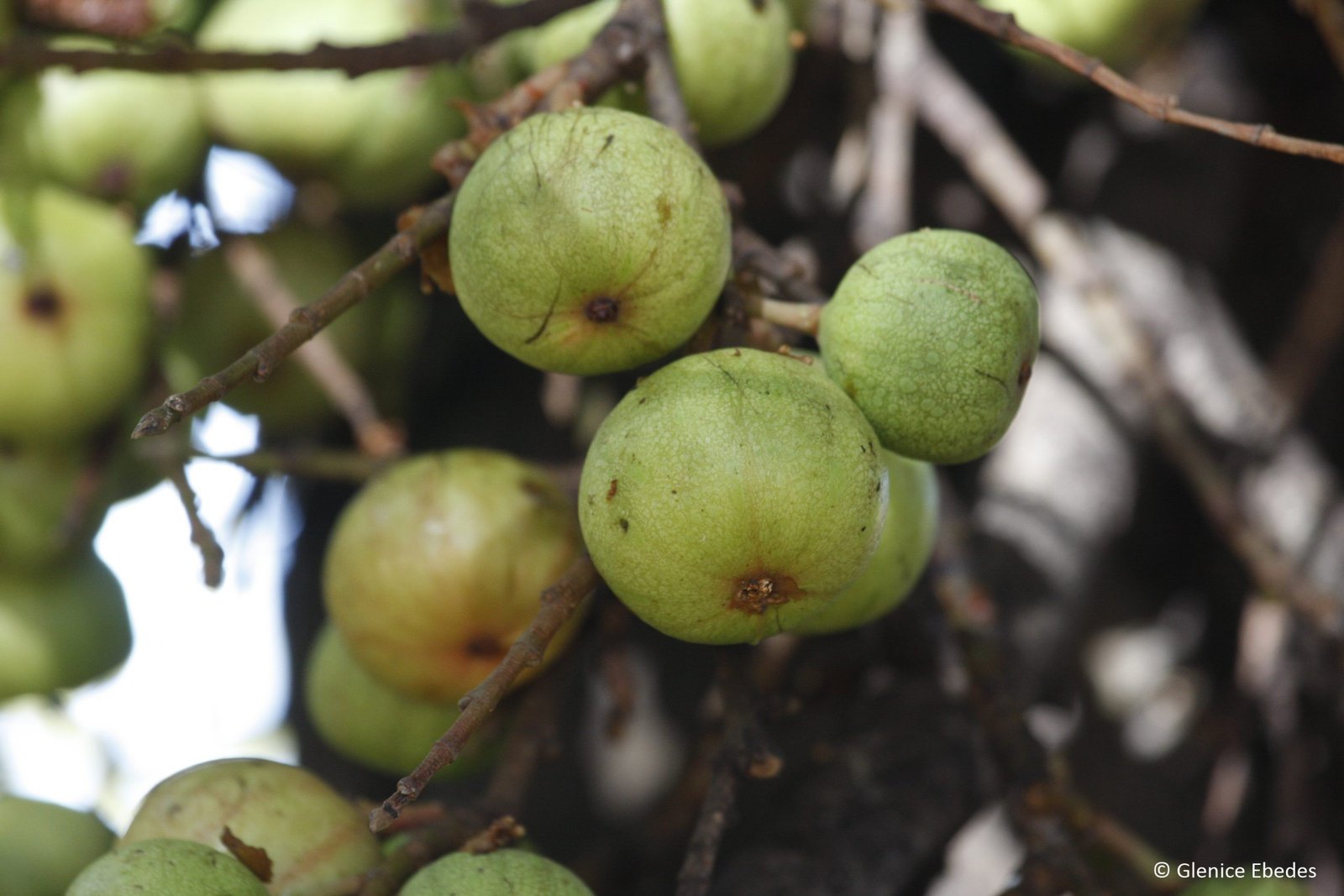
Ficus sur is known by several common names, most frequently Cape fig, broom cluster fig, and bush fig, is valued for its edible fruit, medicinal uses, and as a habitat for wildlife, often producing figs directly on the trunk and branches
Ficus sur is a widely used medicinal plant in traditional medicine. It is valued for treating blood-related conditions like anemia, skin diseases and wounds, gastrointestinal disorders, infections, pain and inflammation, epilepsy, and reproductive health issues such as infertility and lactation. Various parts of the plant are used: leaves, roots, bark, latex, and fruits, prepared as decoctions, infusions, powders, or topical applications. Its medicinal effects are linked to bioactive compounds such as flavonoids, tannins, saponins, and triterpenoids, which provide antioxidant, anti-inflammatory, antibacterial, antifungal, and potential antiviral and antidiabetic properties. Despite its benefits, Ficus sur must be used with caution, as some parts contain toxic substances and require proper traditional knowledge for safe use.
Ripe fruits eaten, tender leaves as vegetable.
Both seed and stem