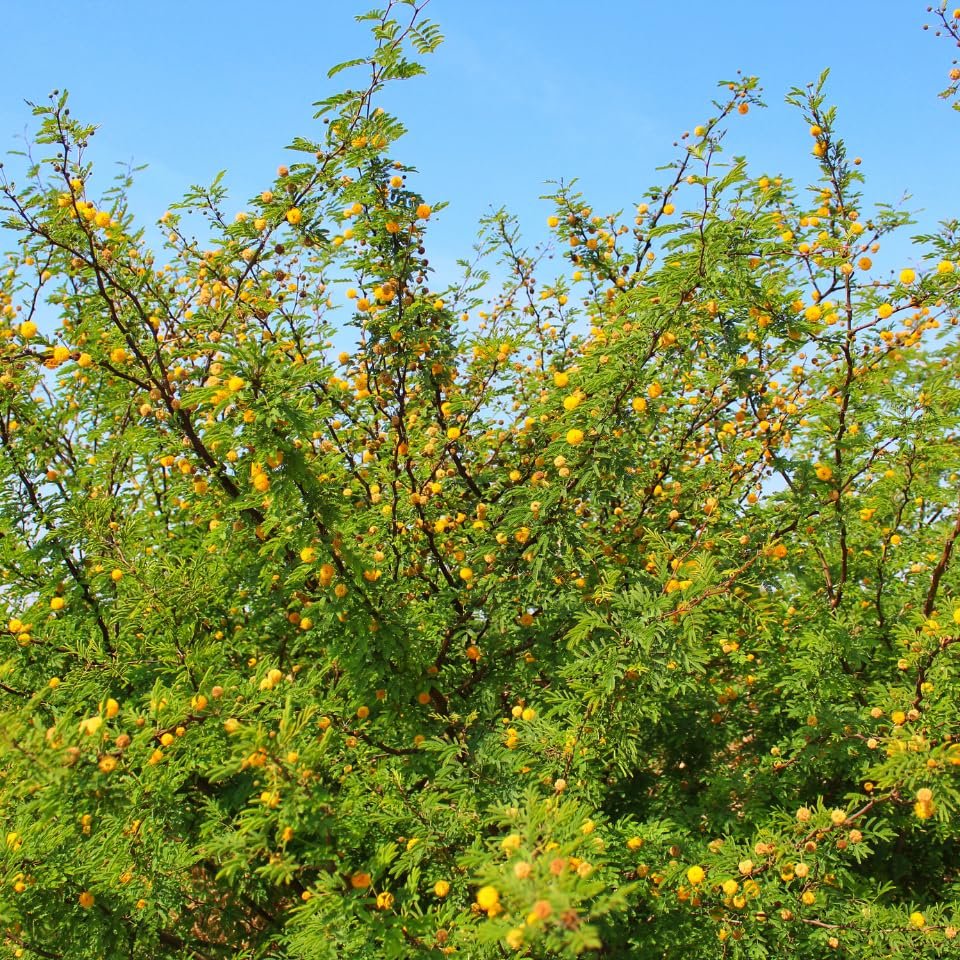
Acacia nilotica (scientifically recognized as Vachellia nilotica) is known in English as Babul, Gum Arabic Tree, or Prickly Acacia. Among the Tiv people, it is recognized as a hardy thorny tree valued for its medicinal strength, fodder use, and ability to improve poor soils rather than by multiple external names.
In Tiv traditional medicine, Vachellia nilotica is a highly important healing tree, with bark, leaves, pods, and gum used in remedies. Preparations from the bark and pods are commonly used to treat diarrhea, dysentery, stomach disorders, coughs, colds, and chest infections. The plant is also used for skin diseases, including rashes, sores, and infections. Chewing of young twigs is practiced for oral health, helping with toothache, gum problems, and mouth cleanliness. Decoctions are sometimes used in women’s health remedies, particularly for abnormal discharge and post-childbirth care. These traditional uses align with known antimicrobial, anti-inflammatory, antioxidant, and blood-sugar-regulating properties of the plant.
Seeds locally processed and eaten as condiment, Young leaves eaten by cattle, goats and sheep.
Vachellia nilotica thrives well in dry savanna environments similar to those found in Tiv land. It tolerates poor, sandy, or saline soils and is highly drought-resistant, making it suitable for marginal lands. The tree is commonly propagated by seed, with seeds often soaked in hot water before planting to improve germination. It is a fast-growing species under favorable conditions and responds well to cutting and regrowth. Because it is a nitrogen-fixing tree, it is useful in soil restoration, erosion control, and agroforestry systems.