Scientific Name: Saba comorensis (synonym: Landolphia comorensis) Among the Tiv people, it is recognized as Ipungwa or Apungwa, a climbing shrub valued for its edible fruit and medicinal uses. In English, it is also known as Rubber Vine or White Rubber Vine.
In Tiv medicine, Saba comorensis is used for multiple ailments:
Pain and inflammation: Decoctions from the root and bark are used for rheumatism, body aches, and general pain.
Digestive issues: The fruit and root are used for diarrhea, nausea, and stomach discomfort.
Wound healing: Crushed fruit is applied to cuts and wounds to aid healing.
Other uses: Traditionally used as an antidote for food poisoning, and for jaundice, oral thrush, infertility, and venereal diseases.
Scientific studies support its strong antioxidant and antifungal activities, aligning with its traditional medicinal uses.
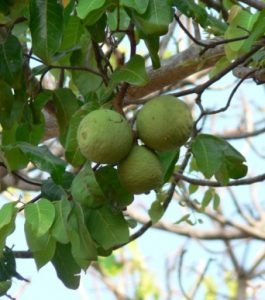
Among the Tiv, the fruit of Saba comorensis is an important edible and nutritious food source. The fruit is large, round, and yellow-orange when ripe, with aromatic pulp that is sweet-sour. The pulp is eaten raw as a snack or processed into juice, jams, marmalades, and sauces. It can also be used in cooking as a tamarind or lemon substitute. The fruit is nutrient-rich, providing vitamin C, dietary fiber, potassium, magnesium, calcium, and beta-carotene, making it a valuable seasonal food.
Grown from seeds or cuttings; seeds require de-pulping and cleaning, and seedlings grow well in a topsoil–sawdust mix (1:3).