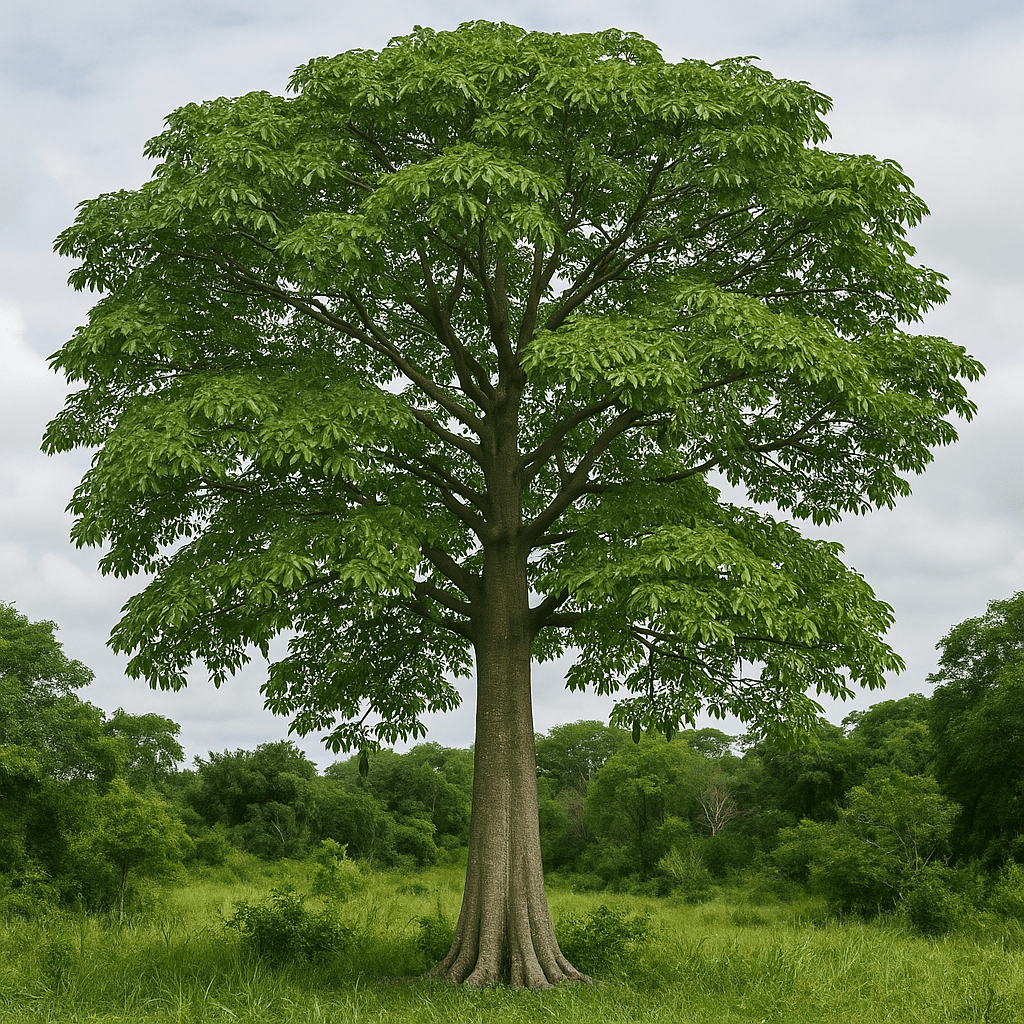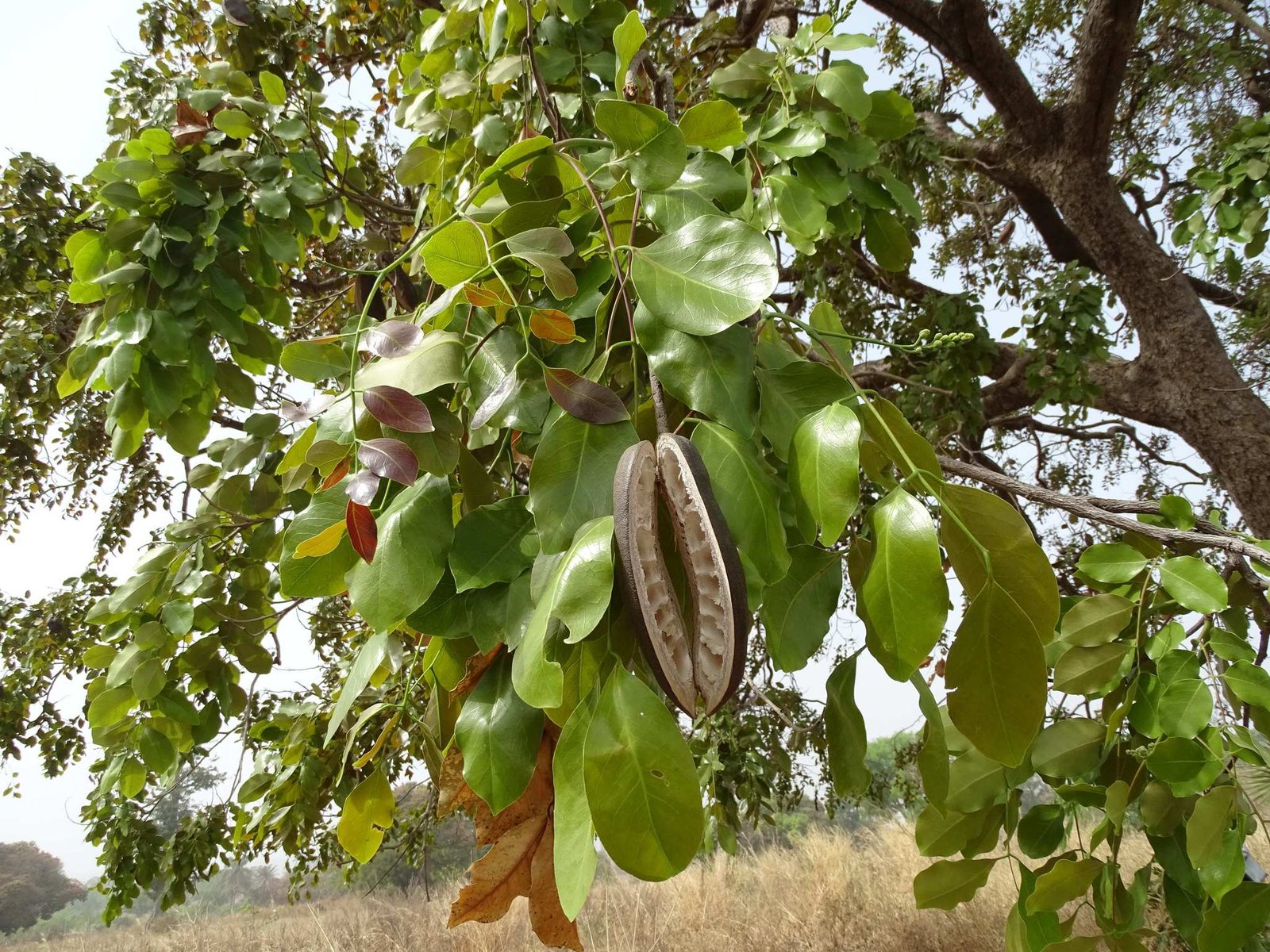
Afzelia africana is a large, deciduous tropical hardwood tree native to West and Central Africa. It is highly valued for its durable, termite-resistant timber and its wide range of traditional medicinal applications.
Afzelia africana is widely used in West African ethnomedicine. Different plant parts (bark, roots, leaves, fruits) are employed for therapeutic purposes:
Digestive Disorders: Bark decoctions are used to treat constipation, stomach pain, and vomiting.
Pain & Inflammation: Used for rheumatism, arthritis, backache, and lumbago.
Infectious Diseases: Traditional remedies include treatment for malaria, leprosy, and gonorrhoea.
Respiratory Conditions: Bark preparations are used for bronchitis and other lung-related ailments.
Other Therapeutic Uses: Acts as an antiemetic, anthelmintic, and is used in the treatment of oedema, epilepsy, and tachycardia.
Veterinary Medicine: Crushed bark mixed with honey is administered for livestock treatment.
Fruits processed as condiment. Tender leaves as vegetable. Leaves as food for ruminants
Afzelia africana is typically propagated via seeds, but it is slow-growing and often threatened by overexploitation.
Propagation Methods: It can be propagated through seeds, seedlings, or wildings (seedlings collected from the wild).
Seed Handling: Seeds can be sown directly or in nurseries. They may require pretreatment to overcome dormancy (e.g., soaking or scarification).
Growth Conditions: It prefers a sunny position, is drought-resistant, and thrives in well-watered sites with deep sandy soils, though it can adapt to lateritic soils.
Management: It can be managed by lopping and pollarding.
Threats: Seedlings are highly vulnerable to browsing mammals and grasshoppers.