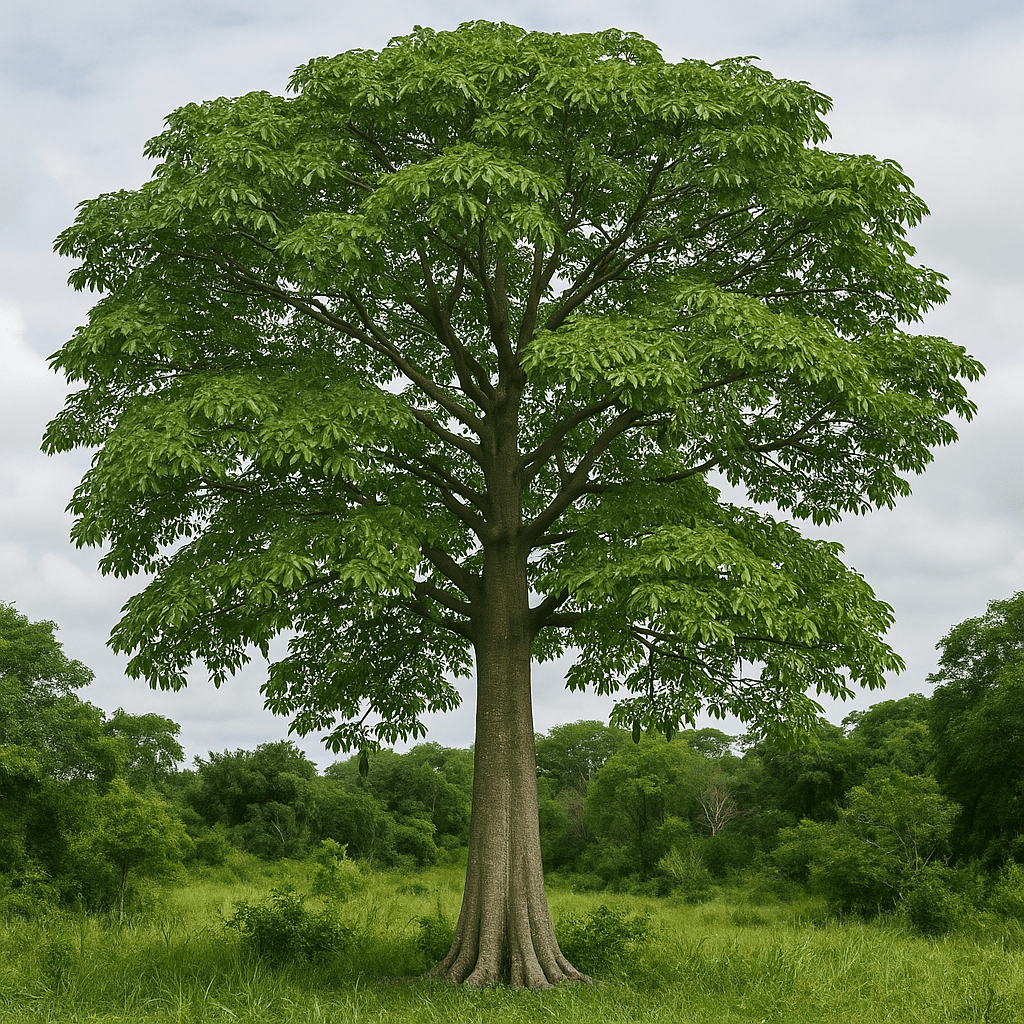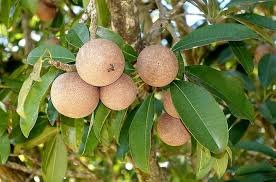
Pachystela pobeguiniana is a tropical tree native to West Tropical Africa. It may have young shoots covered with fine hairs and is known for producing edible, berry-like fruits.
Swollen Areas: Ground bark or stem is traditionally rubbed on swollen or inflamed body parts.
General Health Use: While detailed pharmacological studies are limited, the species is believed to contain bioactive compounds similar to other Sapotaceae members, supporting its traditional medicinal use.
Edible Fruit: Produces red to yellow, succulent berries.
Consumption: The fruit pulp is juicy and sweet and is commonly eaten fresh, especially by children.
Primary Method: Propagation is mainly through seeds (also referred to as wildings when collected naturally).
Seed Handling: Ripe fruits are collected, crushed, and seeds extracted. Seeds may be soaked in cold water for about 12 hours or lightly scarified to enhance germination.
Other Methods: As a woody Sapotaceae species, it may also be propagated through cuttings or wildings, though seed propagation remains the most common and reliable method.