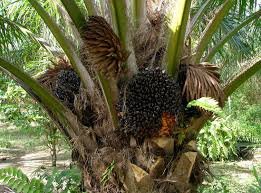
Elaeis guineensis is a tall, perennial tropical palm native to West and Central Africa. It is the world’s most productive oil-bearing crop and the primary source of palm oil and palm kernel oil.
Various parts of the oil palm are used in African traditional medicine, with some uses supported by scientific studies:
Wound Healing: Leaf sap and juice from young petioles are applied to fresh wounds to promote faster healing.
Skin Diseases & Dermal Care: Palm kernel oil is used as an emollient and lotion for skin infections, swellings, and suppurations.
Pain Relief & Inflammation: Root decoctions are used for headaches; leaf extracts exhibit anti-inflammatory properties.
Poison Antidote: Palm kernel oil and fruit pulp oil are traditionally used as antidotes to certain poisons.
Internal Ailments: Leaf extracts are used for cardiovascular and kidney-related conditions; fermented palm wine is believed to support lactation.
Child Health: Palm kernel oil is sometimes applied to convulsive children to help regulate body temperature.
Palm Oil (Mesocarp Oil): Red oil extracted from the fruit pulp, widely used for cooking, frying, and food processing (e.g., margarine, shortening).
Palm Kernel Oil: Extracted from the seed; used in cooking, confectionery, and as a butter substitute.
Palm Nut Butter: Produced by boiling and pounding palm nuts; commonly used in West African soups.
Heart of Palm: The tender apical bud is consumed as a vegetable.
Palm Wine: Fermented sap obtained from the male inflorescence or stem.
Primary Method: Seed propagation using selected or hybrid seeds.
Seed Germination: Seeds are cleaned, processed, and germinated under warm, humid conditions; germination may take several weeks to months.
Tissue Culture: Commercial plantations use clonal propagation via indirect somatic embryogenesis to produce uniform, high-yielding plants.
Nursery Stage: Seedlings are raised in nurseries for approximately 12 months before transplanting at the onset of the rainy season.