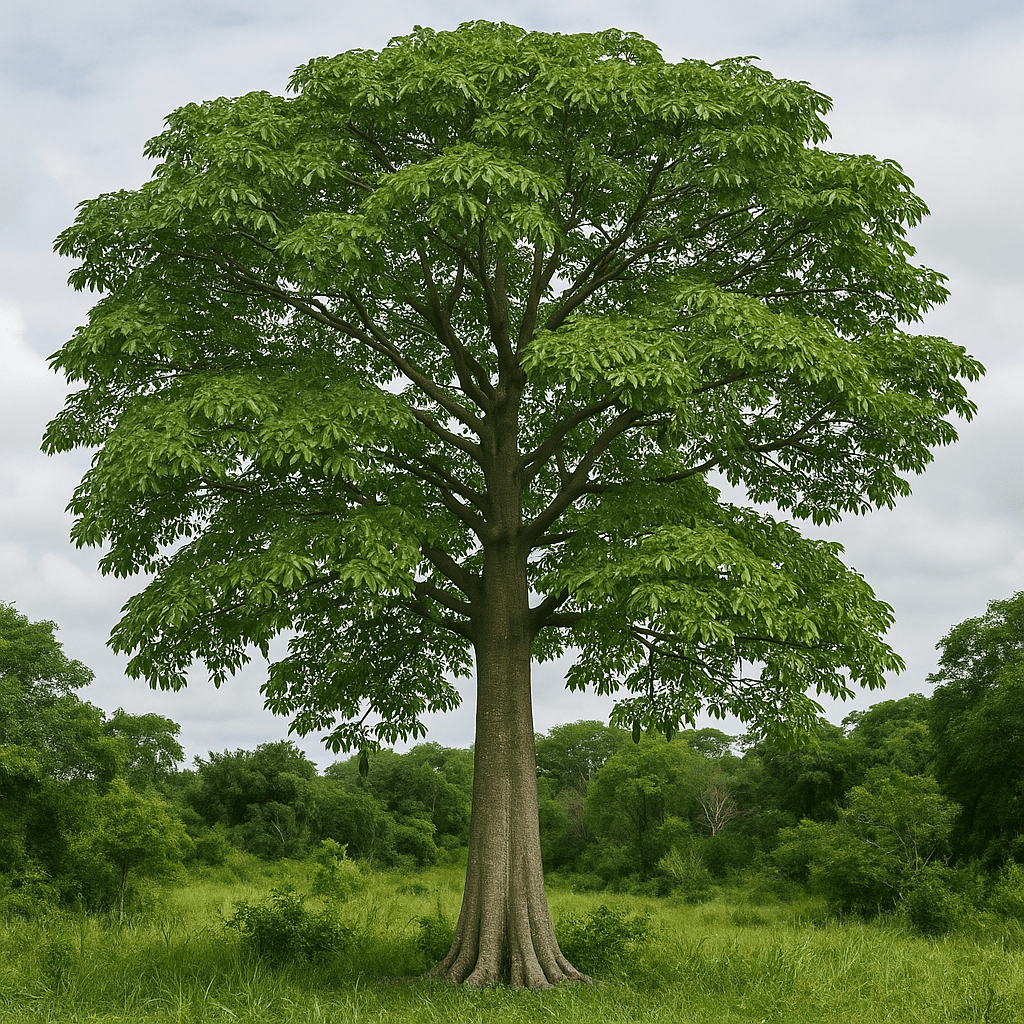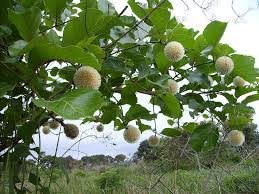
Sarcocephalus latifolius is a multi-stemmed, evergreen shrub or small tree widely distributed across savanna woodlands of West, Central, and East Africa. It is hardy, adaptable, and valued for both medicinal and nutritional uses.
Roots, bark, and leaves are extensively used in African traditional medicine:
Malaria & Fever: Root decoctions are used as febrifuges and tonics, earning the plant the name “African quinine.”
Digestive Disorders: Used to treat diarrhea, dysentery, stomach pain, and colic.
Metabolic & Chronic Conditions: Employed in managing hypertension, diabetes, and jaundice.
Reproductive & Infectious Uses: Used for prolonged menstrual flow and venereal diseases such as gonorrhea.
Pain & Neurological Uses: Applied as an analgesic and in the treatment of epilepsy.
Wound Care: Bark and leaf preparations are used for wound healing.
Safety Note: Roots have been reported to contain tramadol-like compounds (likely absorbed from the environment); excessive dosage is discouraged.
Fruit: Reddish-pink, globular fruits with a sweet-acidic taste; eaten fresh, especially by children.
Beverages: Fruits processed into juice or dried and powdered for drinks.
Vegetable Use: Flower heads are cooked and eaten as a vegetable.
Palm Wine Additive: Roots are sometimes added to palm wine as a bittering agent (“nche”).
Employed in traditional protection and healing rituals in parts of Nigeria and Sudan.
Seed Propagation:
Ripe fruits are mashed in water; viable seeds sink and are collected.
Seeds are dried and sown in river sand in nursery trays.
Germination rate ≈ 80%, occurring within 14–21 days.
Vegetative Propagation:
Stem cuttings (minimum of 3 nodes) root readily in sand.
Rooting occurs within 7–14 days, especially during the rainy or summer season.
Growth Conditions:
Thrives in full sun
Prefers moist, well-drained soils
Well adapted to savanna environments