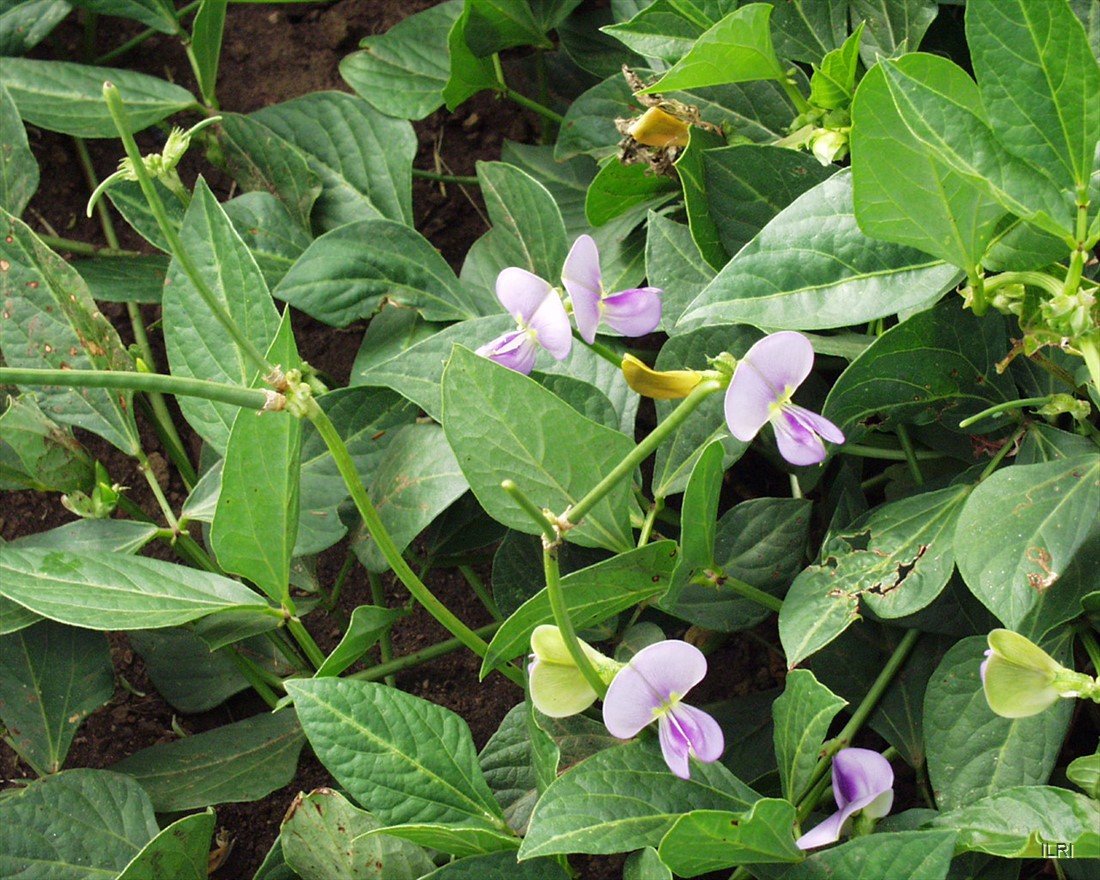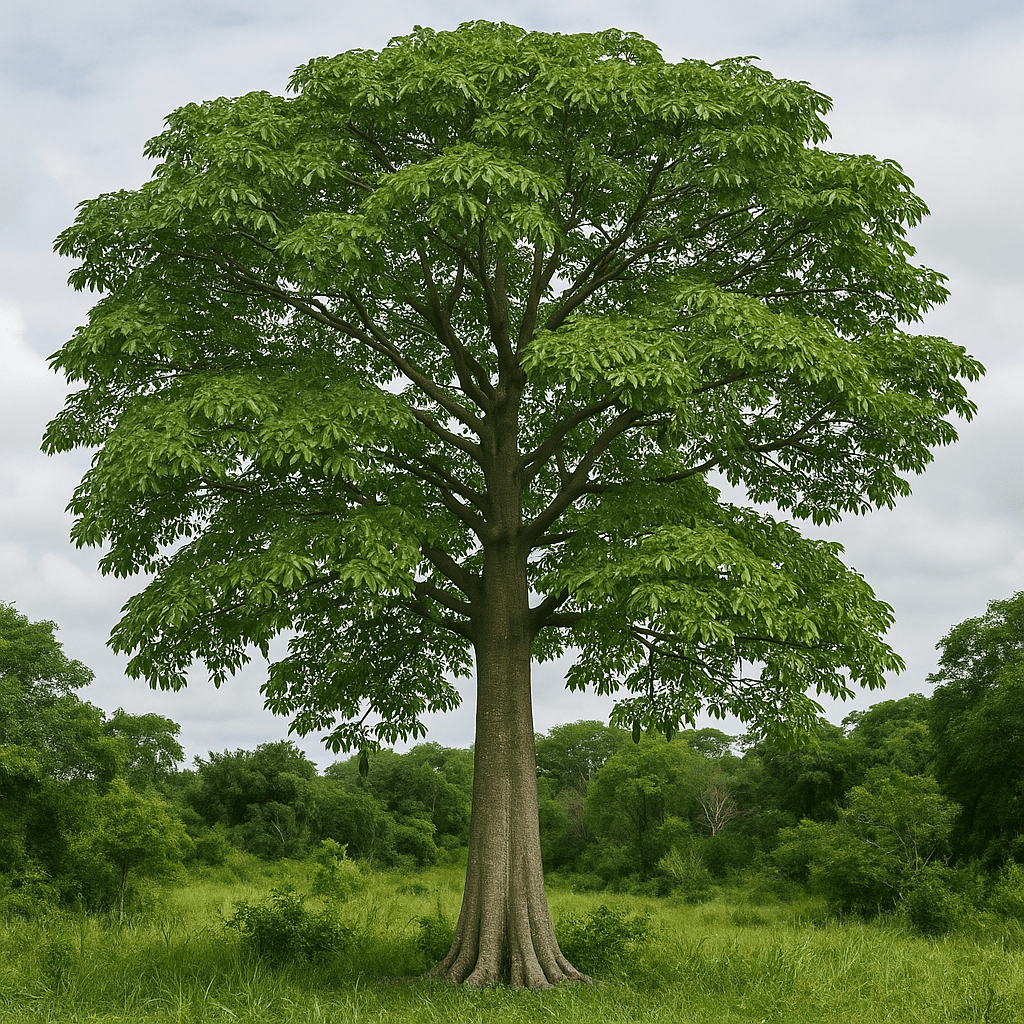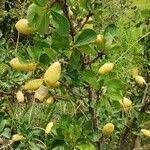
Gardenia erubescens is a tropical African shrub or small tree native to the Sudanian savannah of West Africa. It is recognized for its fragrant white flowers that gradually turn yellow and its hard, yellowish wood.
Widely used in traditional medicine across Northern Nigeria, Burkina Faso, and neighboring regions:
Sexually Transmitted & Bacterial Infections: Used in the treatment of syphilis and gonorrhea.
Digestive Disorders: Bark and leaves are used for stomach and intestinal diseases, gastroenteritis, and ascites.
Respiratory & Head Conditions: Decoctions are taken for respiratory infections, headaches, and migraines.
General & Other Uses: Used as an aphrodisiac, stimulant, and in addressing malnutrition.
Parts Used: Bark, roots, leaves, and fruits.
Fruit Consumption: Yellowish, elliptical fruits (3–5 cm long) are edible and eaten raw; they have a pleasant, sweet aroma.
Culinary Uses: Fruits are used in sauces and soups.
Nutritional Value: Fruits are reported to be rich in vitamins A, B, and C and aid digestion.
Cosmetic Use: A black dye extracted from the seeds is used as a cosmetic.
Marriage Customs: Among some groups (e.g., Gourma), the plant is included in marriage gifts from the groom’s family.
Ritual & Protective Uses: Employed in traditional protective or psycho-magical practices.
Cultural Taboos: In some regions (e.g., Mossi areas), pregnant women or women of childbearing age avoid using the wood due to cultural beliefs.
Wood Uses: The hard yellow wood is used to make small household tools such as spoons.
Seed Propagation: The most common method.
Vegetative Propagation: Softwood cuttings can be used; rooting occurs in about 40–45 days under high humidity in well-drained soil (sand–compost mix).
Growing Conditions: Prefers full sun to partial shade; adapted to tropical savannah climates (USDA zones 9–11).