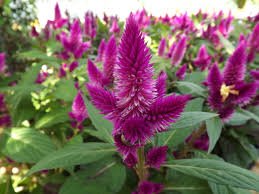
Celosia argentea is a fast-growing, annual tropical herb with erect stems and brightly colored, plume-like flower heads. It is widely cultivated as a vegetable, medicinal plant, and ornamental species, and is well adapted to warm, drought-prone environments.
All parts of the plant are used in traditional African and Asian medicine:
Eye Health: Used for bloodshot eyes, blurred vision, and cataracts.
Digestive Disorders: Treats diarrhea, dysentery, and intestinal worms.
Wound & Skin Care: Leaf pastes are applied to wounds, infected sores, and skin eruptions.
Other Therapeutic Uses:
Roots used for colic, gonorrhea, and eczema.
Seeds used in India for managing diabetes mellitus.
Caution: Not recommended for individuals with glaucoma due to pupil-dilating effects.
Leaves & Stems:
Widely consumed leafy vegetable in West Africa, especially Nigeria (“Lagos spinach”).
Cooked in soups and stews such as efo riro.
Rich in protein, calcium, iron, and vitamins A and C.
Young Inflorescences: Eaten as a potherb.
Seeds: Used for extracting edible oil.
Africa: Associated with certain occult or spiritual beliefs in parts of the Democratic Republic of Congo.
India:
Dried flowers are used in traditional rituals and offerings (Kerala).
Flowers are included in ceremonial door decorations (toran) in the Konkan region alongside other sacred plants.
Seed Propagation:
Propagated mainly by very small black seeds (≈43,000 seeds per ounce).
Seeds are sown 1/8–1/4 inch deep in moist, well-drained soil.
Nursery & Transplanting:
Seeds may be direct-sown or raised in nurseries.
Seedlings are transplanted 5–7 days after emergence.
Vegetative Propagation:
Can also be propagated through stem cuttings.
Growing Conditions:
Thrives in full sun
Optimal temperature: 25–35°C
Moderately drought-resistant once established