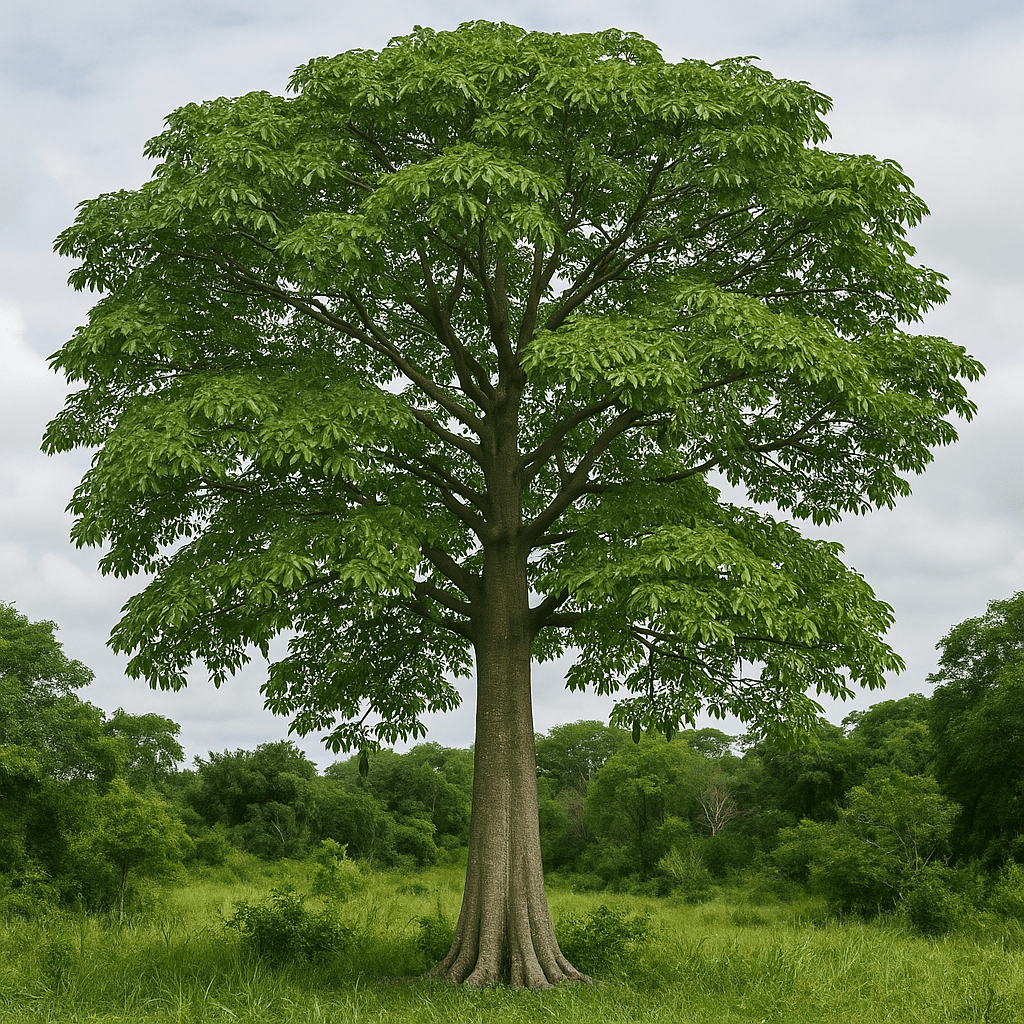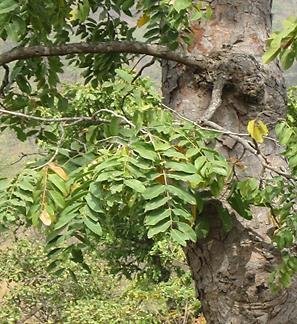
Daniellia oliveri is a deciduous, fast-growing timber tree native to the savannah regions of West and Central Africa. It is hardy, fire-resistant, and often serves as a pioneer species in degraded or forested landscapes.
The tree is valued in traditional medicine for its bark, resin, and leaves, which contain tannins, saponins, and flavonoids:
Gastrointestinal Disorders: Leaf decoctions treat diarrhea, dysentery, and stomach troubles.
Skin & Wound Care: Bark and resin applied to sores, wounds, and circumcision sites.
Fever & Pain Relief: Root and bark decoctions treat malaria, yellow fever, headaches, and body aches.
Diabetes Management: Leaves and roots used to manage diabetes mellitus, often combined with other medicinal plants.
Respiratory Health: Leaf infusions used for coughs, pneumonia, and tuberculosis.
Other Uses: Aphrodisiac, rheumatism treatment, and management of venereal diseases (gonorrhea, syphilis).
Leaves: Young tender leaves are sometimes cooked and eaten as a vegetable, especially during scarcity.
Gum / Resin: Chewed as a mild snack.
Bark: Used in brewing traditional beer.
Incense & Fumigation: Resin/gum burned for fragrance in religious ceremonies, house fumigation, and as torches.
Insect Repellent: Smoke used to repel insects.
Propagation: Primarily by seeds.
Habitat / Soil: Pioneer species thriving in sandy-clayey, humid soils; commonly found in savannah and forest edges.
Hardiness: Fire-resistant and fast-growing.