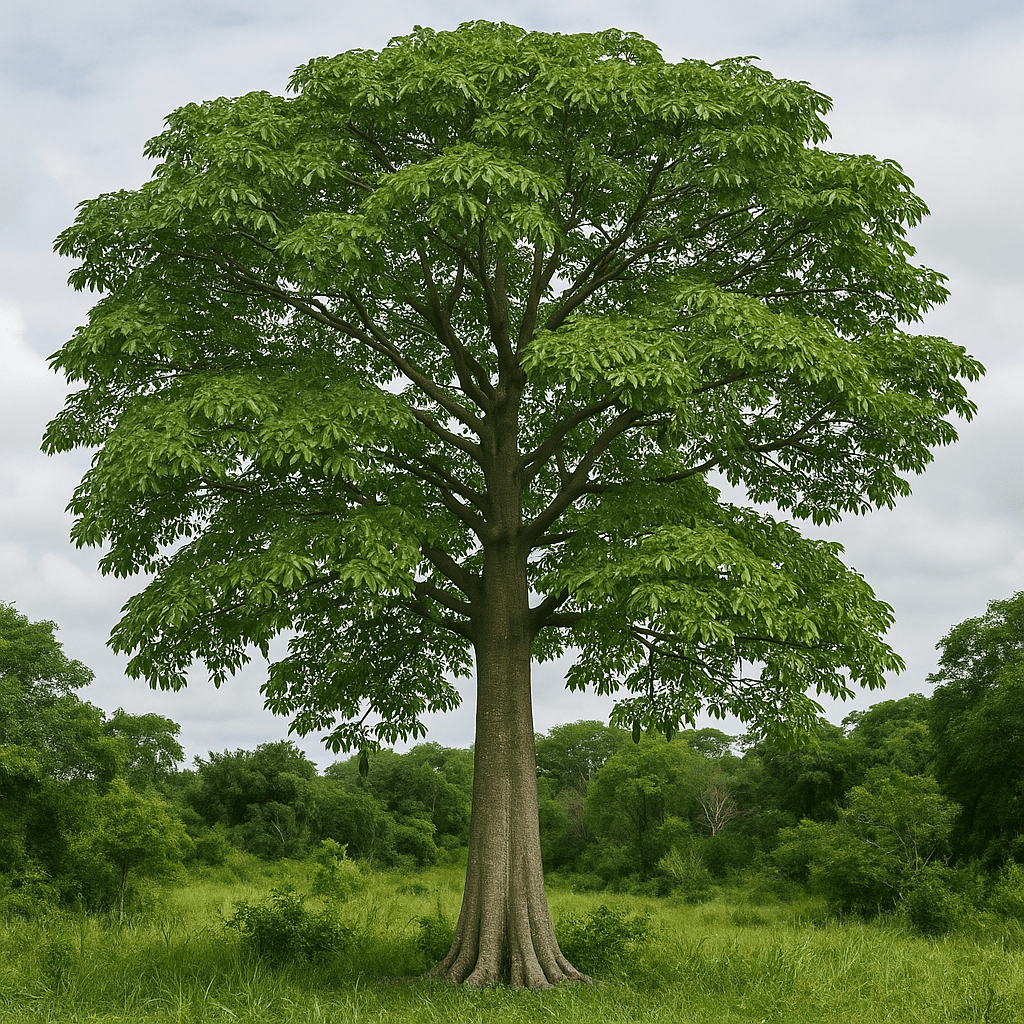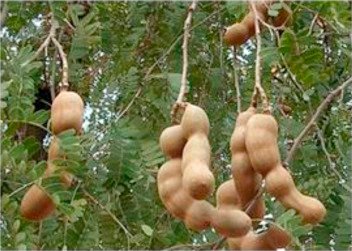
Tamarindus indica L. is a long-lived, multipurpose, evergreen tree belonging to the Fabaceae family, originating in tropical Africa but now naturalized throughout the tropics. It is highly valued for its edible pods, medicinal properties, and durable wood.
Almost all parts of the tree—fruit, leaves, bark, roots, and seeds—are used to treat fever, digestive issues, wounds, skin infections, chest pains, leprosy, and measles, with confirmed antioxidant, antimicrobial, and anti-inflammatory properties.
The pulp is eaten raw or used to flavor soups, stews, sauces, and beverages; tender leaves and flowers are cooked as vegetables, and seeds are roasted or boiled for consumption.
It is considered sacred in some African cultures, used for marking culturally important sites, while its wood serves for furniture, tools, fuel, shade, and windbreaks.
Tamarind is mainly propagated by seeds, which are scarified or boiled to improve germination, and can also be propagated vegetatively through grafting, air layering, or budding to preserve superior fruit traits.