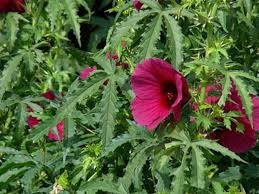
Hibiscus asper is a bristly annual or short-lived perennial African shrub used both as a medicinal plant and as a leafy vegetable, and is distinct from Hibiscus sabdariffa (roselle). The plant is an erect, hairy herb with thorny stems, serrated or lobed leaves, large pale flowers with dark centers, and fuzzy seed capsules.
It is traditionally used to treat skin diseases, malaria, jaundice, anemia, menstrual disorders, nervous system conditions, and internal parasites, with reported sedative and anti-inflammatory effects.
Young leaves, shoots, and boiled calyces are eaten as vegetables, providing minerals and bioactive compounds.
Unlike some related species, Hibiscus asper has limited documented ritual significance and is mainly valued for medicinal and nutritional purposes.
The species grows easily from seed in sunny, well-drained tropical habitats such as savannas and riverbanks.