Description
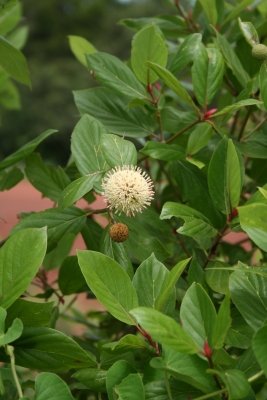
Mitragyna inermis is a West African shrub or small tree valued for its antimalarial, antimicrobial, and medicinal properties, distinct from M. speciosa (kratom).
Medicinal Uses
The plant is traditionally used for malaria, fever, gastrointestinal disorders, hypertension, diabetes, wound healing, neurological conditions, and nutritional recovery in chronic illnesses.
Food Uses
There are no widely documented human food uses.
Ritual / Cultural Uses
Certain ethnic groups use it as a psychotherapeutic or "psychosomatic" medicine, while the wood and bark are employed for crafting utensils, writing boards, and extracting yellow dye.
Cultivation
Primarily wild-harvested, the plant grows in full sun, tolerates saline or heavy clay soils, propagates from seed or root suckers, and responds well to coppicing.