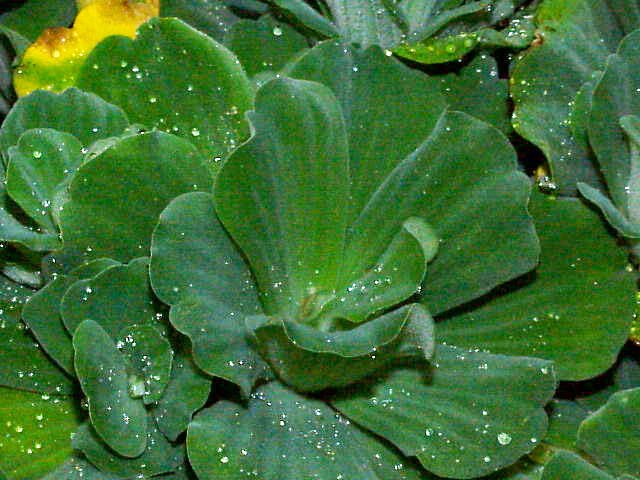
Pistia stratiotes is a free-floating, stoloniferous aquatic herb from the Araceae family, known as water lettuce. While ornamental in aquariums, it is highly invasive in tropical and subtropical regions. It has a long history of medicinal and traditional uses in Africa, Ayurveda, and Chinese medicine.
Skin Diseases: Leaf extract or paste used for eczema, leprosy, ringworm, ulcers, and burns.
Respiratory & Digestive: Treats tuberculosis, asthma, dysentery, cough.
Other Uses: Diuretic, treatment of piles, eyewash.
Active Compounds: Antifungal, antimicrobial, anti-inflammatory, and antioxidant properties.
Consumed in Southeast Asia and parts of Africa, mainly in famine situations.
Leaves cooked (boiled or in soups), mild cabbage-like flavor.
Powdered leaves used to treat wounds, sores, and male sterility (Nigeria, Gambia).
Ash used for oral ulcers, thrush, and sometimes as salt substitute.
Ash mixed with butter applied to hair in some West African cultures.
Thrives in full sun to partial shade in stagnant or slow-moving water (ponds, lakes, containers).
Temperature: 22–30 °C; frost-sensitive.
Propagation: Rapid via stolons.
Uses: Water gardens, algae control, phytoremediation (absorbs N, P, Fe, Zn, Cu, Cr, Cd).
Warning: Highly invasive; requires careful management to prevent spread.