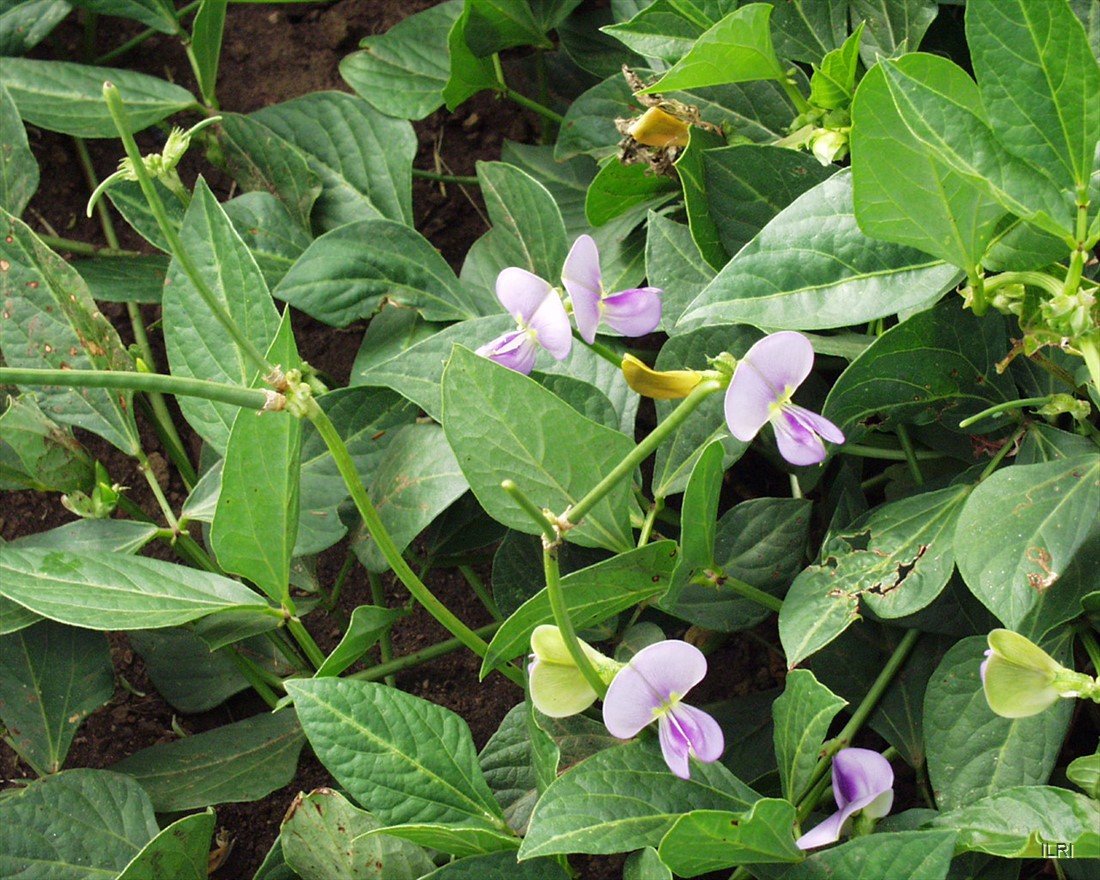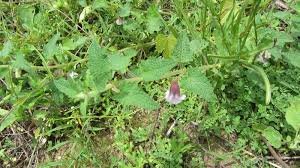
An erect, hairy annual herb (60–100 cm) with opposite, mucilaginous leaves, funnel-shaped pink/mauve/white flowers, and distinctive two-horned capsules; grows in savannahs, sandy soils, and disturbed areas, drought-resistant.
Leaf extracts treat diarrhea, stomach issues, eye infections, reproductive pain, and skin diseases; also used as an aphrodisiac, for jaundice, snakebites, and circumcision relief.
Leaves and shoots eaten as a slimy leafy vegetable, used fresh or dried to thicken soups and sauces; seeds yield edible oil; often cooked with other leaves for texture.
Used during childbirth as a lubricant, as a famine food, in shea butter production, and as a natural soap or shampoo.
Grown from seed in sunny, well-drained soils; hardy, low-maintenance; young shoots harvestable after ~6 weeks, allowing repeated harvesting; can be intercropped with cowpea, sorghum, or cassava.