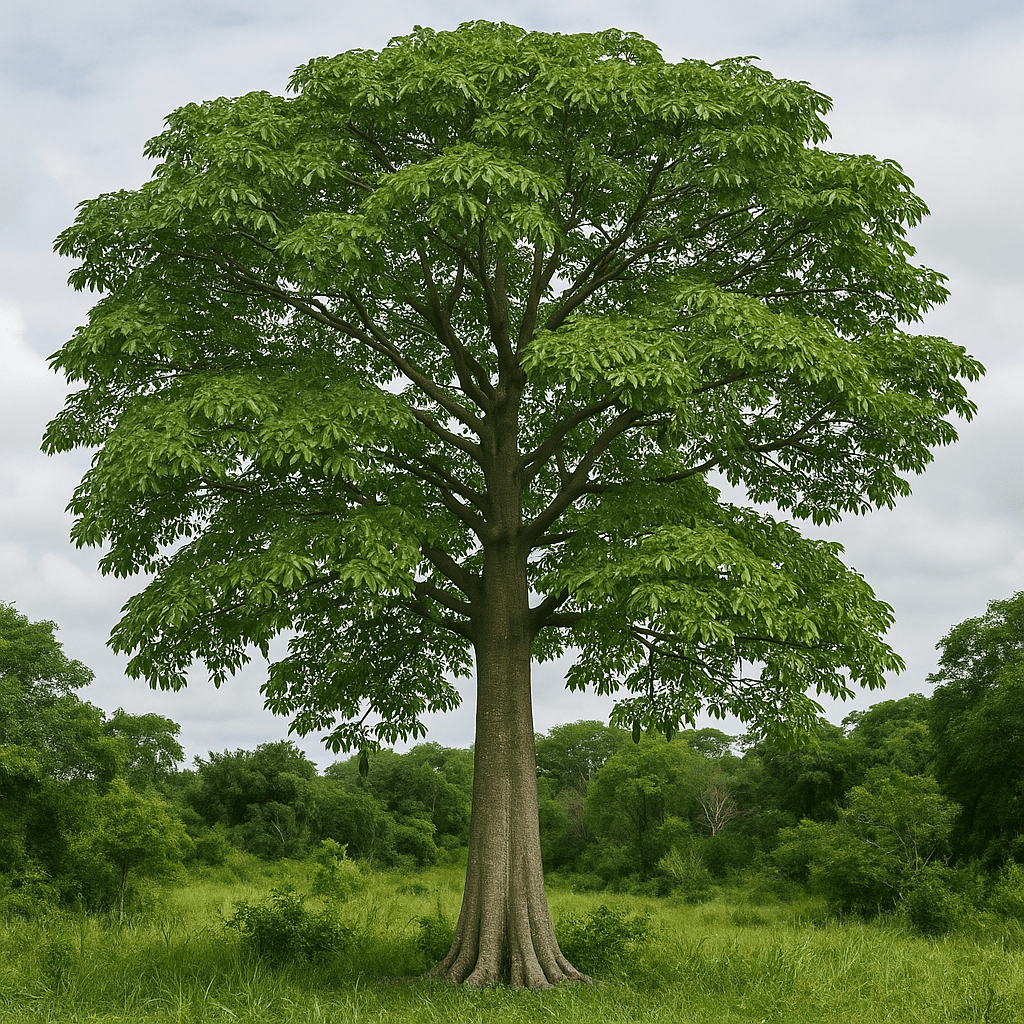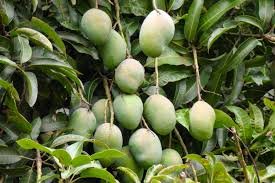
A large, evergreen tree (10–45 m) with a dense dome-shaped canopy, stout trunk, simple lanceolate leaves, small fragrant flowers, fleshy variable-shaped fruits with a fibrous stone, and a deep taproot system.
Leaves, bark, seeds, fruit, flowers, and gum are used in traditional medicine for diabetes, blood pressure, digestive disorders, respiratory ailments, diarrhea, dysentery, scurvy, and skin problems.
Ripe fruits eaten fresh or processed (juices, jams, desserts); unripe fruit used in pickles, chutneys, and powders; seeds for starch and famine food; young leaves occasionally as vegetables.
Sacred in Hinduism, used in doorway hangings, Kalash puja, ceremonial fires, and symbolizes prosperity, love, fertility, and immortality.
Thrives in tropical/subtropical regions, prefers well-drained loamy soil, propagated by grafting or seeds, requires moderate water, spaced 10–12 m apart, fruits harvested 3–6 months after flowering.