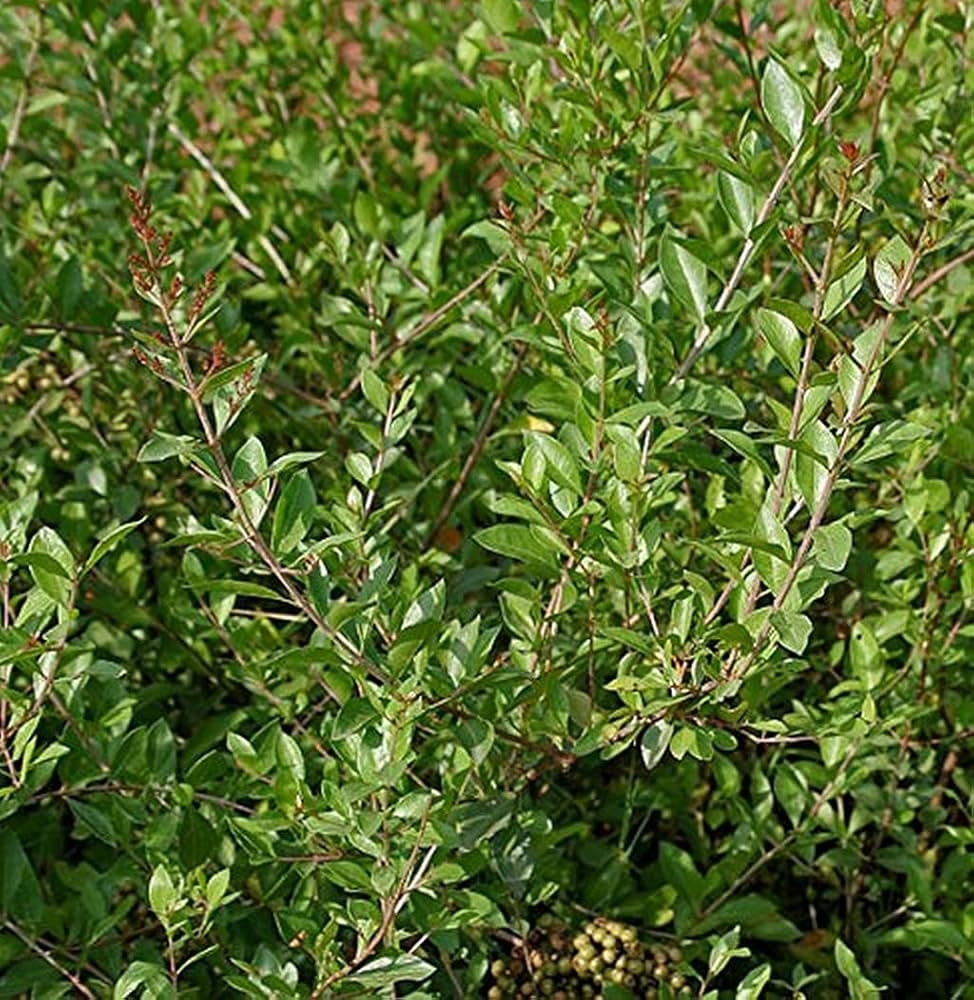
Lawsonia inermis is a glabrous, highly branched shrub or small tree (2–6 m tall) with fragrant flowers and lawsone-rich leaves that produce a red-orange dye.
The plant is widely used in traditional medicine for treating skin infections, wounds, digestive disorders, headaches, insomnia, hair problems, and certain sexually transmitted infections.
Although not a common food plant, its seeds and leaves are occasionally used in small amounts in traditional remedies for digestive ailments.
Henna is culturally significant as a body art dye for rituals and celebrations, symbolizing joy, fertility, and protection, and is also used for dyeing hair and textiles.
It is cultivated in hot, dry climates on well-drained soils, propagated by seeds or cuttings, and harvested multiple times yearly for its dye-rich leaves.